Crane Stop Configurator

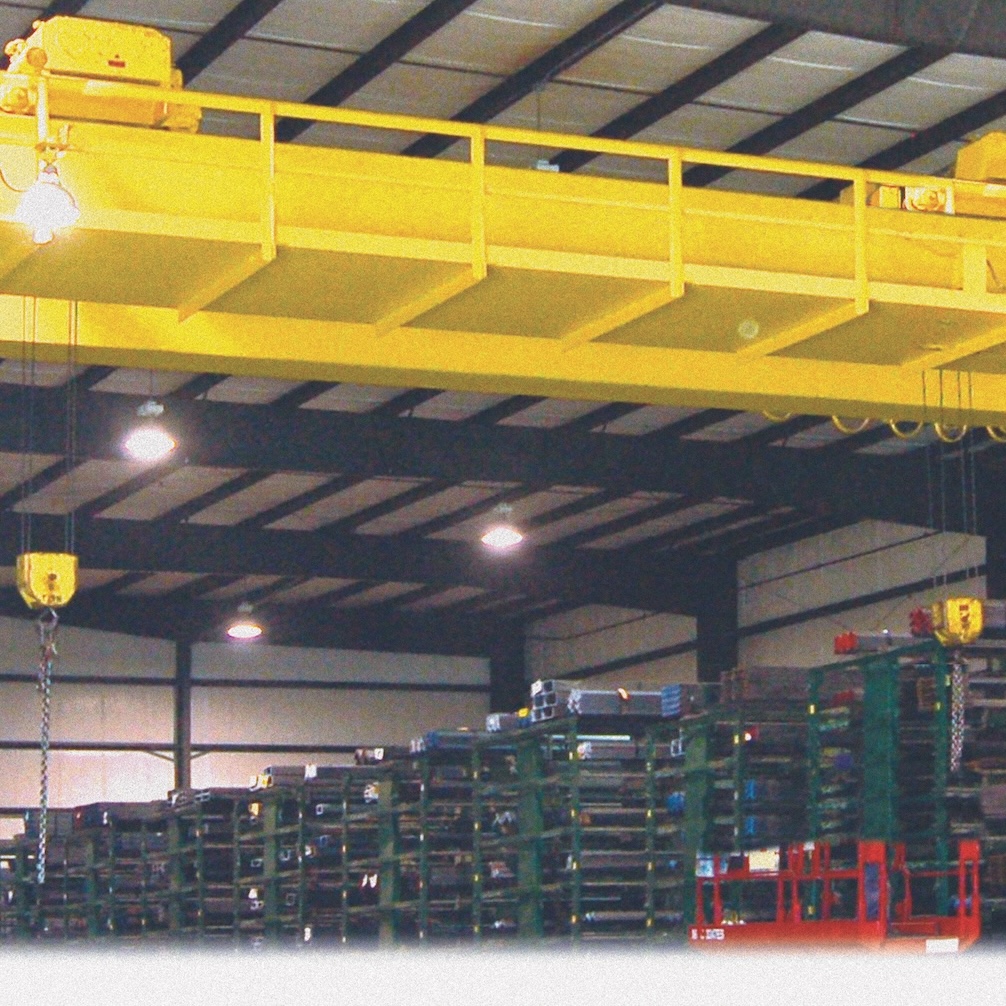
Overhead crane hero image

Aldon crane stops are for temporary isolation of overhead cranes. Such isolation is necessary when one crane is undergoing maintenance with active cranes on the same runway or personnel are working on or near the crane runway.

Overhead Crane Stop Cautions

  • Do not use with railroad cars or gantry cranes.
  • Do not use as end-of-track stops. Stops may slide short distances due to worn rail head conditions, wedge dogs and drag/hold-down plates not fully seated, improper bolt tightness, etc. Adequate distance must be kept between cranes. The customer will determine the safe distance.
  • Do not install stops where rail joint bars or hook bolts (if applicable) may be contacted.
  • Use with overhead cranes traveling at normal operating speeds.
  • Use only on rail size indicated on wedge dogs and drag/hold-down plates.
  • Use in pairs. Stops must be in alignment so each stop is struck simultaneously.
  • Wedge dogs and drag/hold-down plates must be tightly seated over wedge at all times.
  • It may be necessary to replace the hook bolts with rail clips.
  • Crane operator must maintain control of crane at all times.
  • If struck, check stop wedges, wedge dogs and drag/hold-down plate assemblies for damage.
  • Provide a safe distance between location of stops and crane or other objects to be protected. Stops will slide some distance on impact depending on speed and weight of crane. The customer must decide the safe distance.
How do I select the appropriate crane stop?

Welcome to our Crane Stop Product Builder.

Using the configurator below, follow the dropdown prompts and select options to design the crane stop for your application.

  • Step 1: Select your stop type.
  • Step 2: Select your rail size and section.
  • Step 3: Select your wheel diameter. For Bumper Contact Type, specify rail size and section.
    NOTE: Maximum Bumper Centerline is 12” Above Top of Rail.
    For Wheel Contact Type, specify wheel diameter, rail size and section.
  • Step 4: Select quantity.
  • Step 5: Review and complete your order.

Need help or have questions? Our engineers are here to assist you. Please contact us.

Select your Stop Type *

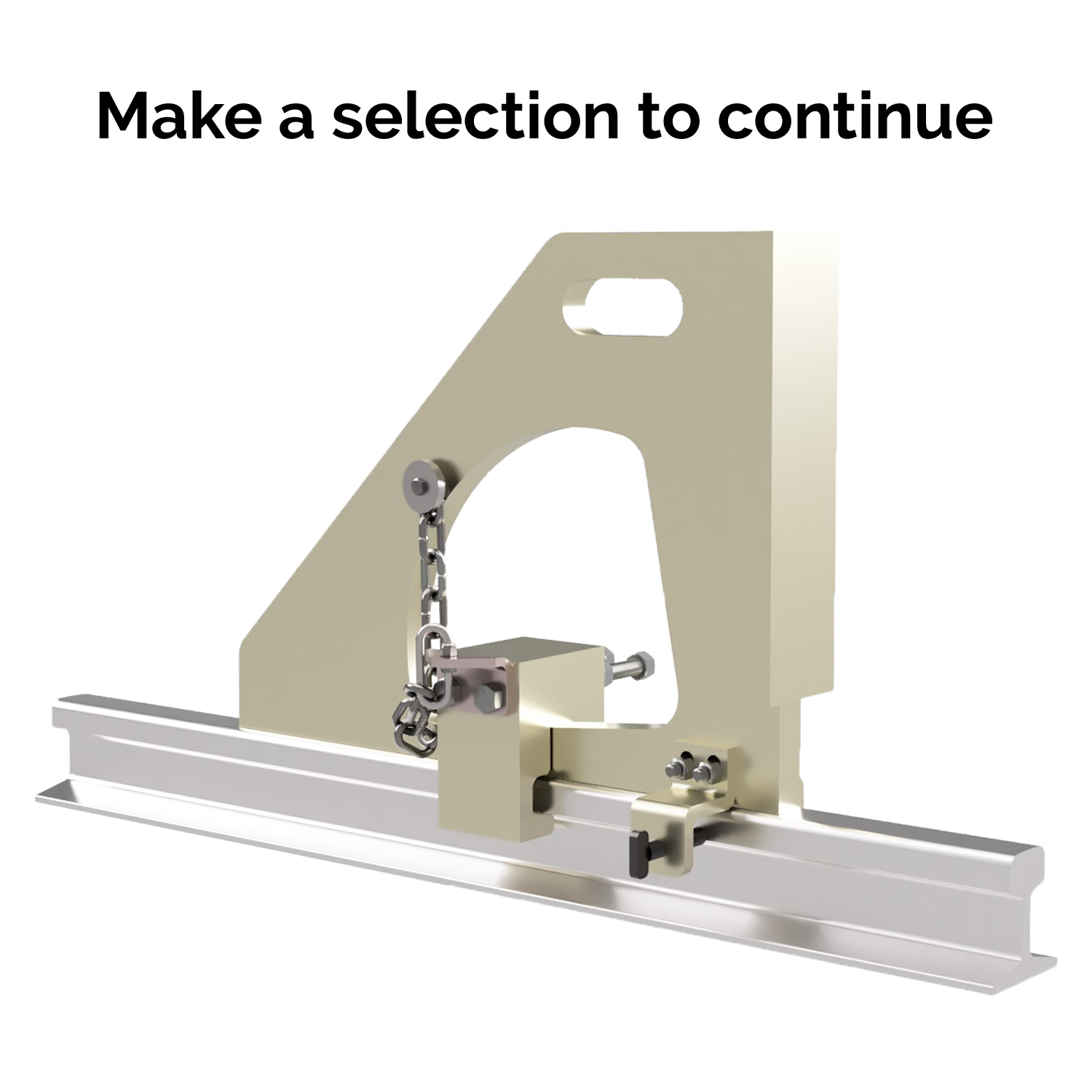
Crane Stop Demo Rendering | Make a selection to continue Make a selection to continue.

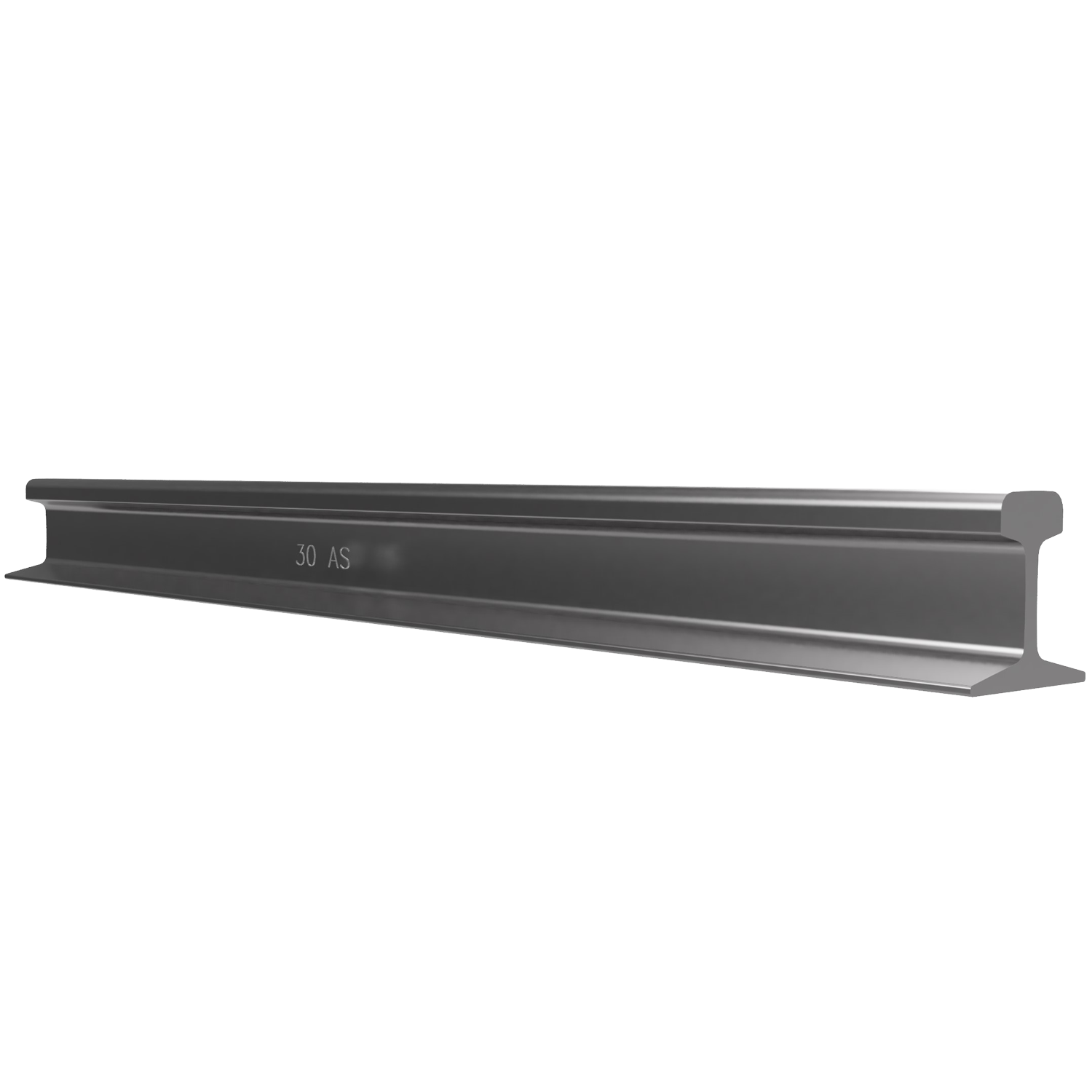
The rail size and section can be found on the web of the rail. It is defined by standards like ASCE, CR, AREA, or UIC. The rail size and section must match the crane stop or the stop will fail, potentially causing injury to personnel or damage to the crane stop and rail infrastructure.

Select your Rail Section *

Rail section demo rendering

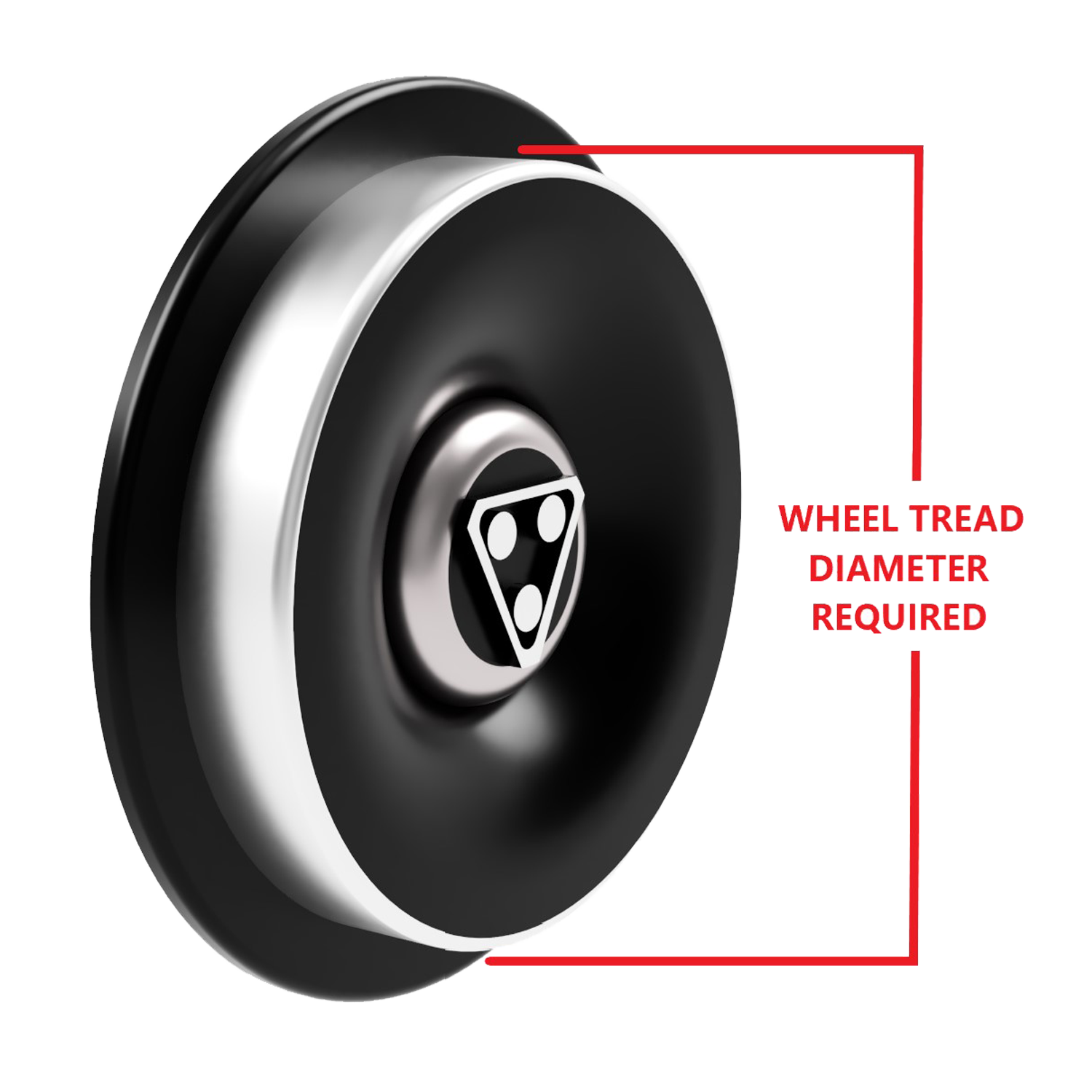
Knowing your crane’s wheel diameter is very important when using wheel contact style crane stops. The wheel “tread” diameter must match the wheel contact crane stop to ensure the crane stops work properly. Never use the “flange” diameter when selecting your crane’s wheel diameter.

Select your Wheel Diameter *

Wheel diameter demo rendering | Wheel tread diameter required

Product Details

Item #

“Burlington” Style Freight Car Rerailer

Retail Pricing

$1,750.00

Additional Product Information

For use with standard-size freight cars & Locomotives. Must be used in pairs and are sold separately.

  • Double-ended “Burlington” style rerailers are locked to the rails by clamps and wedges and will not slip or kick out during rerailing.
  • One Inside and one Outside make a pair.
  • Rerailers are reversed in direction and exchanged in position to suit different derailed wheel situations.
  • Maximum Axle Weight: 36 US Tons or 72,000 lbs.


Need Replacement Wedges and Clamps?

Burlington Clamp Item#: 6135 CLICK HERE

Cast Steel Wedge Item#: 6134 CLICK HERE

All Steel Super Duty Wedge Item# 6296 CLICK HERE

What are the four Stop Types?

Aldon Company, Inc. offers four types of crane stops to used for cranes in single or multiple use crane operations.

Non-Slide Bumper Contact

Non-Slide Wheel Contact

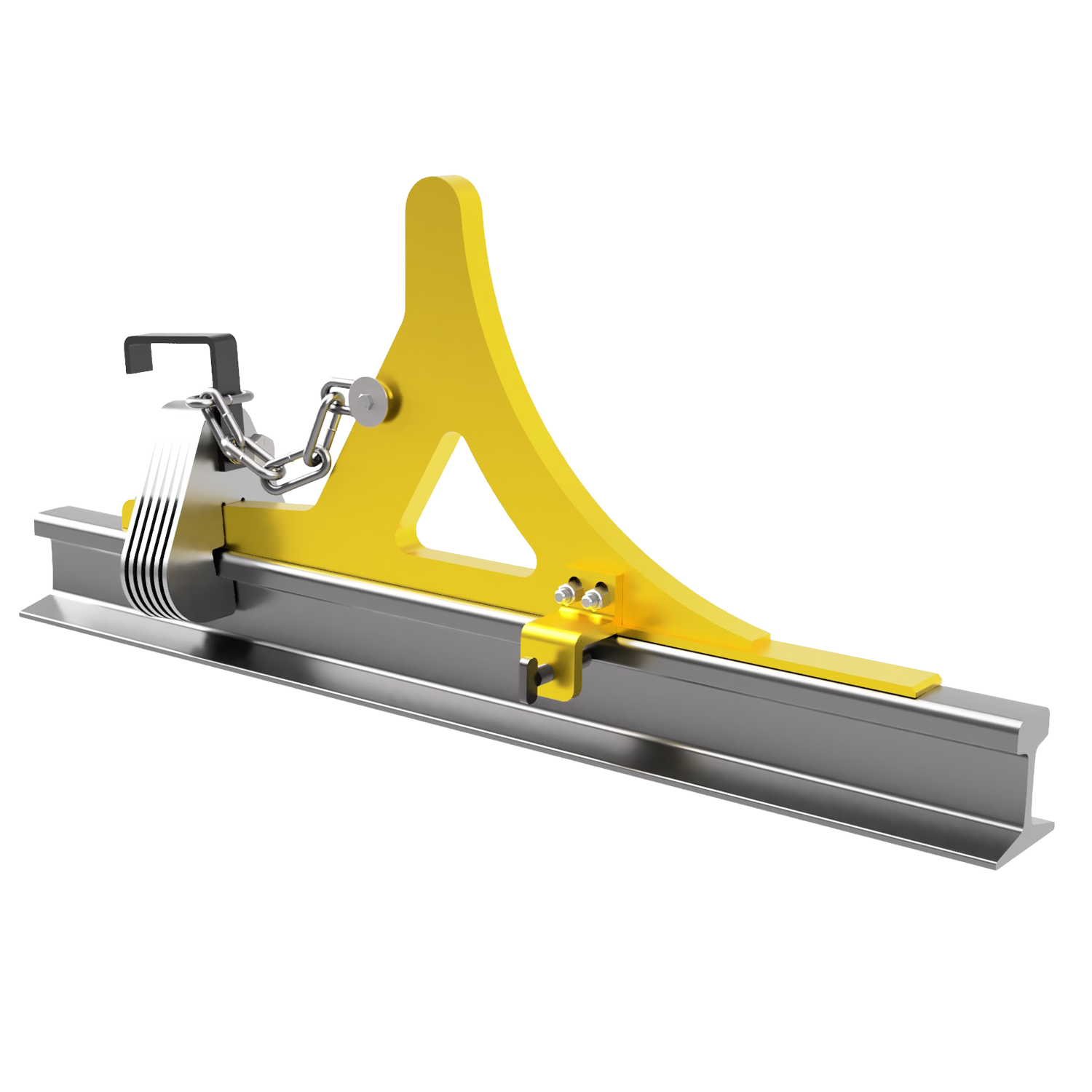
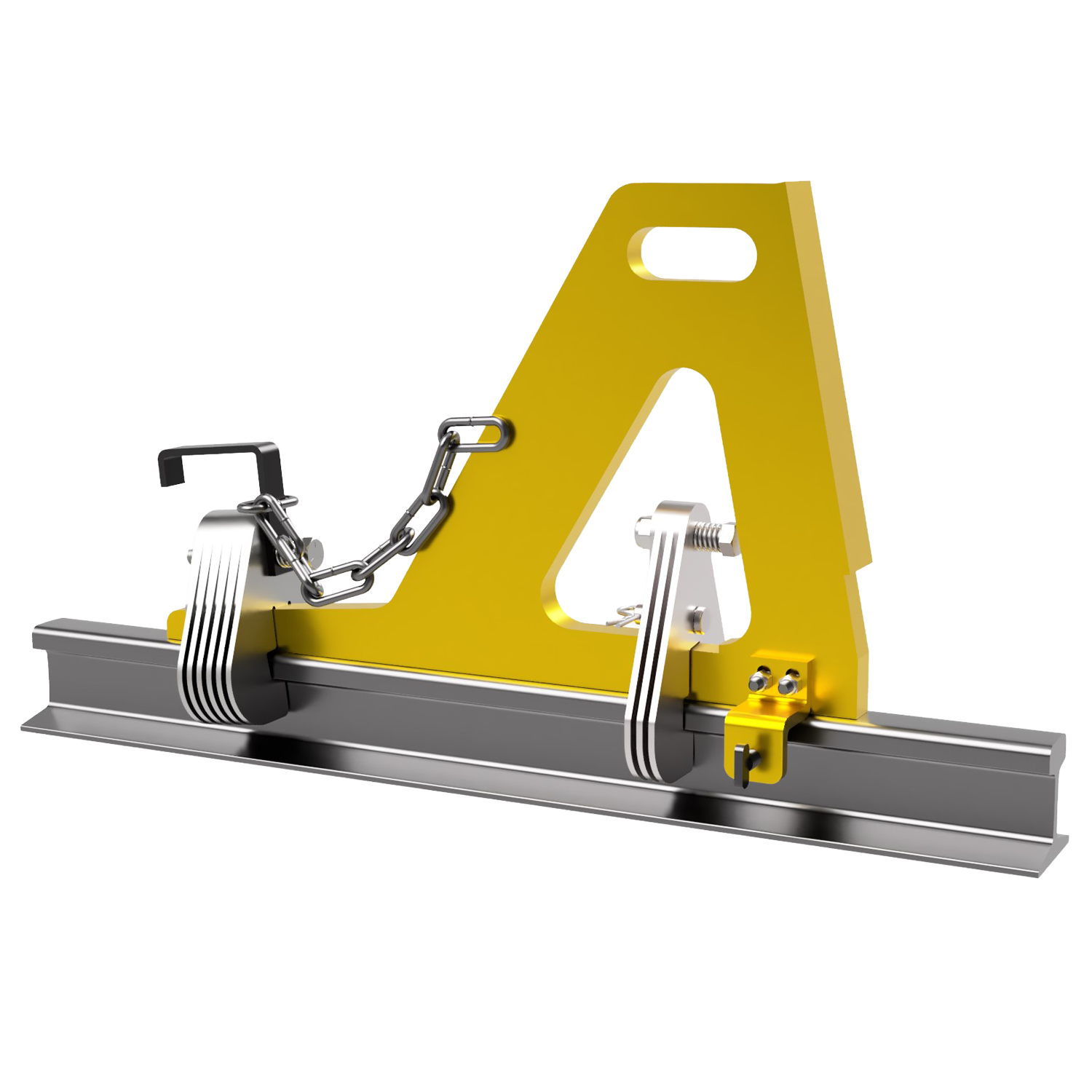
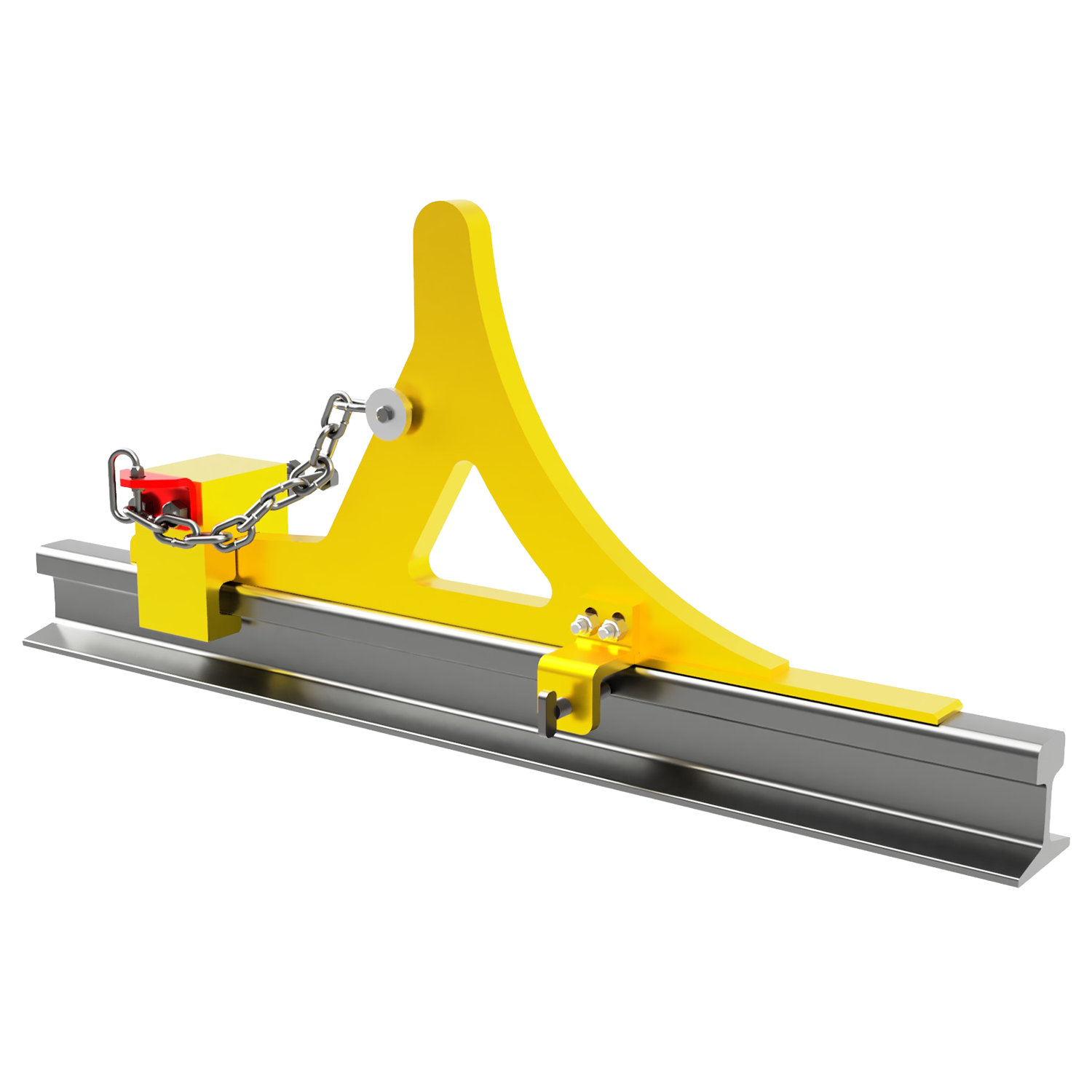
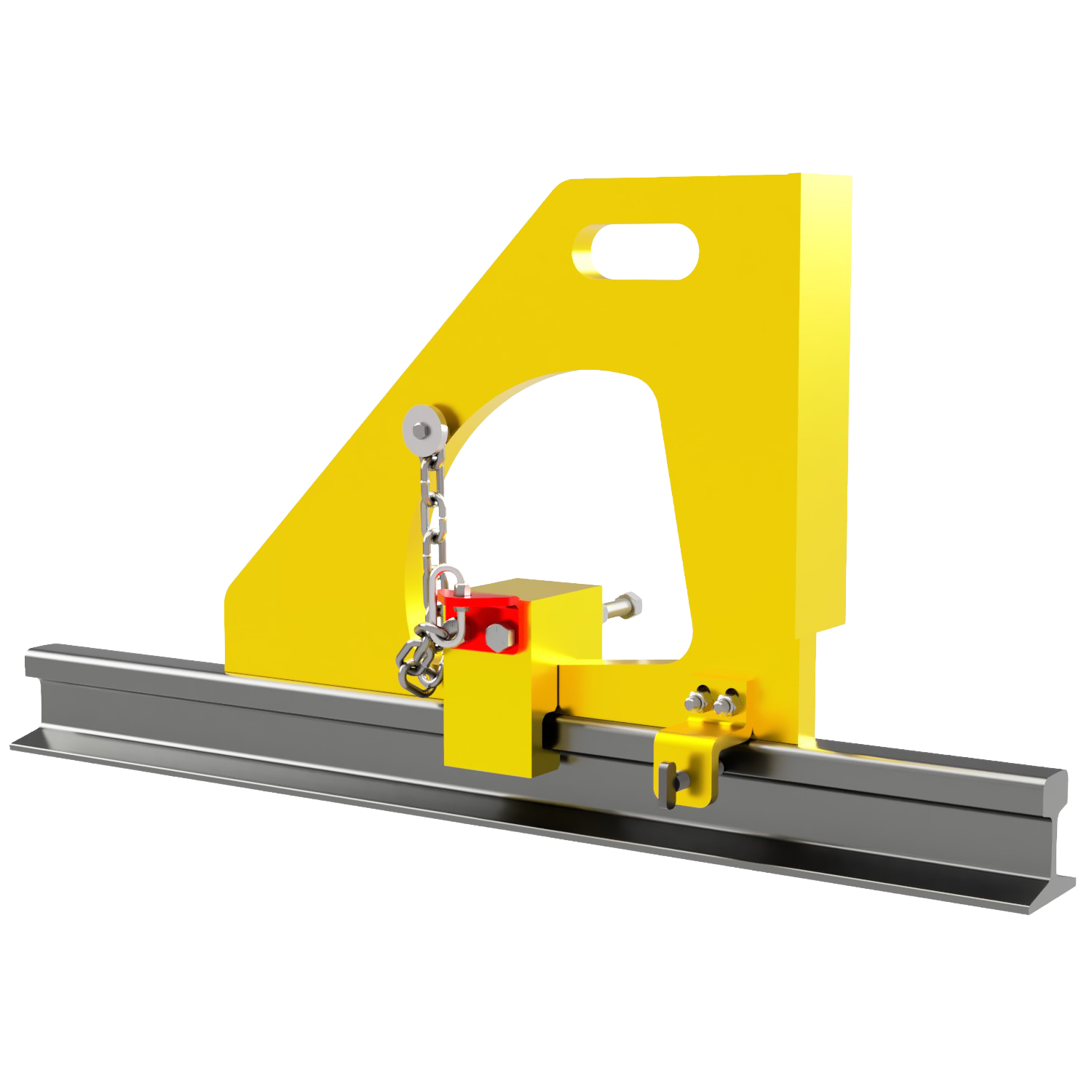
Recommended wherever below rail head clearance is minimal and where a non-sliding crane stop is needed. Wedge dogs lock wedge to rail head and do not interfere with hook bolts. On impact, stops slide only marginally or not at all.

Cushion-Slide Bumper Contact

Cushion-Slide Wheel Contact

Recommended where a cushion-slide crane stop is needed. Drag & Hold Down Plates contact the underside of the rail head and use friction to bring overhead cranes to a stop. On impact, stopping distance varies depending on the cranes weight and speed.

What is a Rail Section?

The rail size and section to which Aldon crane stops are installed on play a critical factor in their effectiveness. The crane stop must be compatible with that specific rail profile, which is defined by standards like ASCE, CR, AREA, or UIC. Aldon crane stops rely on friction to stop the crane’s motion. If the crane stop installed does not match the rail profile, the stop will not create friction causing the stop to fail, this can cause injury to personnel or damage to the crane stop and rail infrastructure.

What is a Wheel Diameter?

When trying to determine your crane’s wheel diameter, it may be useful to refer to your crane’s date/specification sheet. It’s important not to confuse the “flange” diameter with the wheel “tread” diameter. If the flange diameter is used this can result in the crane stop failing due to clearance issues. Always use your crane’s wheel tread diameter when using wheel contact style stops.

Secret Link